









A Thoughtful Approach to Early Learning

How Children Learn at Mini Adventures
Structure That Supports Learning
Daily Routine & Classroom Flow
Each day follows a consistent routine that helps children feel secure and confident in their environment. Classroom flow includes a balance of teacher-led lessons, independent exploration, group activities, meals, rest time, and outdoor play. Predictable routines support emotional regulation while allowing children to focus on learning and social interactions.
Weekly Themes & Circle Time
Learning is reinforced through weekly and monthly themes that bring lessons to life. Circle time occurs in both the morning and afternoon, offering opportunities for songs, stories, discussion, and group learning. Weekly focus areas may include language arts, math, social studies, art, science, and practical life skills, helping children connect ideas across subjects.
Core Areas of Learning

Early Literacy & Language
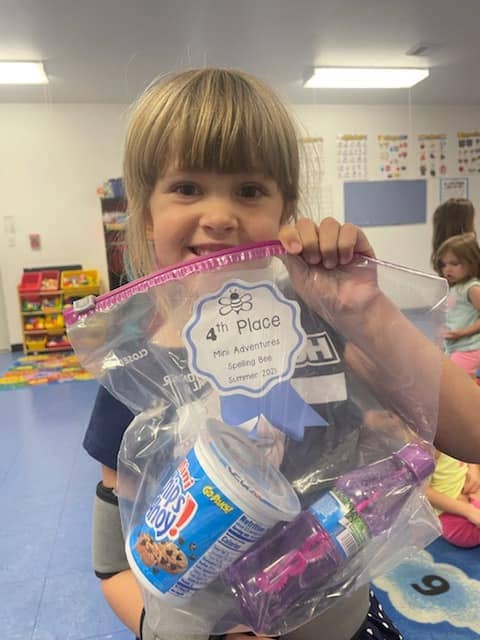
Children are immersed in language through books, songs, conversation, and storytelling. They begin recognizing letters, sounds, and words while developing vocabulary and comprehension. Early exposure to print helps children understand that words carry meaning and builds a strong foundation for reading readiness.

Math, Science & Discovery
Math concepts such as counting, sorting, shapes, and patterns are introduced through hands-on activities. Science learning encourages curiosity through simple experiments, observation, and exploration. Children are invited to ask questions, make predictions, and discover how things work in a fun, age-appropriate way.

Creative Arts & Motor Skills
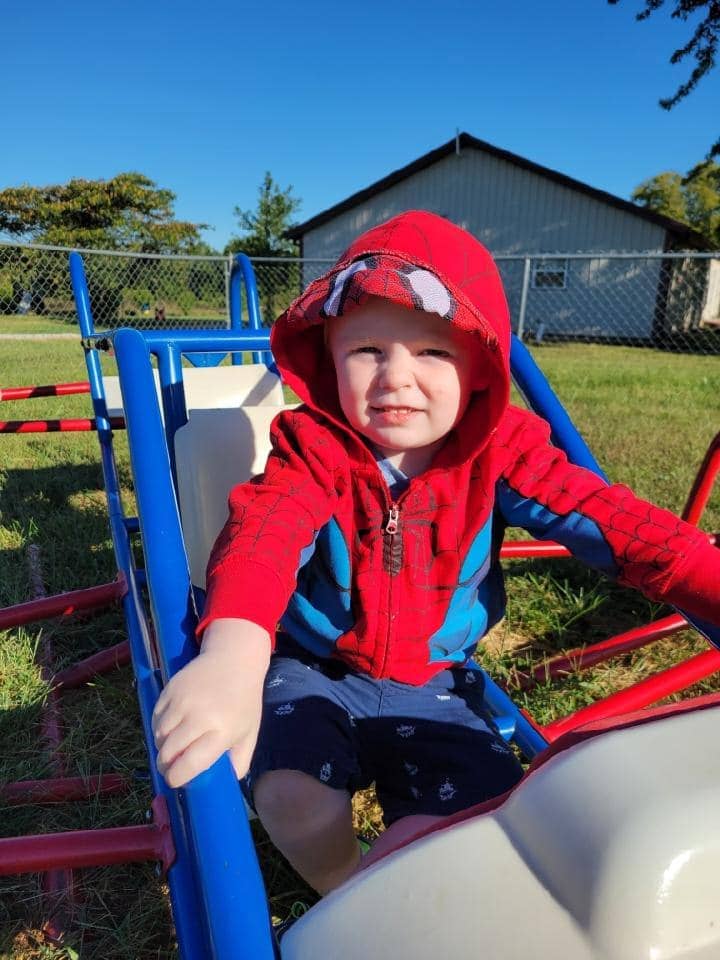
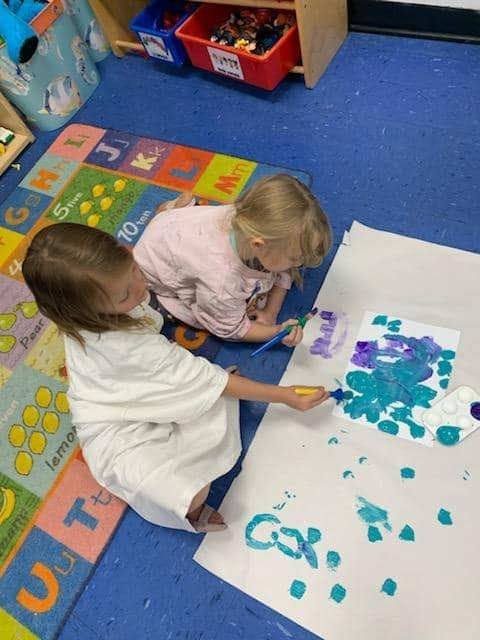
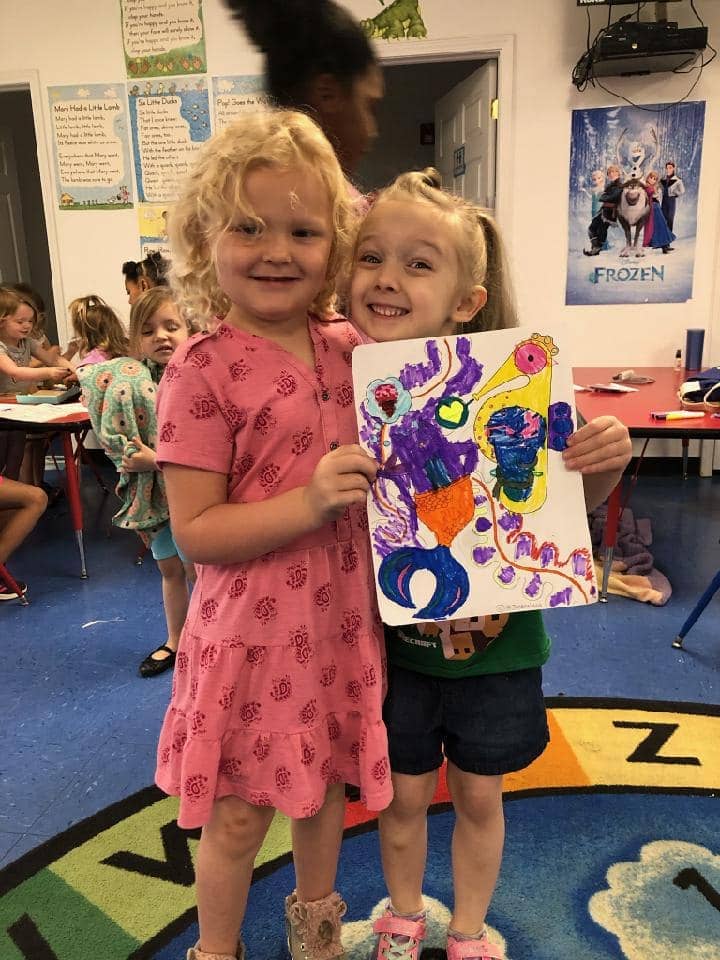
Art and creative expression are an important part of daily learning. Children strengthen fine motor skills through coloring, cutting, painting, and building, while large-motor development is supported through movement and outdoor play. Creative activities help children express ideas and build coordination.

Social-Emotional & Practical Life Skills
Children learn how to interact positively with others, express emotions, and build independence. Practical life skills such as sharing, problem-solving, self-care, and teamwork are woven into daily activities, helping children develop confidence and responsibility.
Learning That Grows With Your Child





Supporting the Whole Child
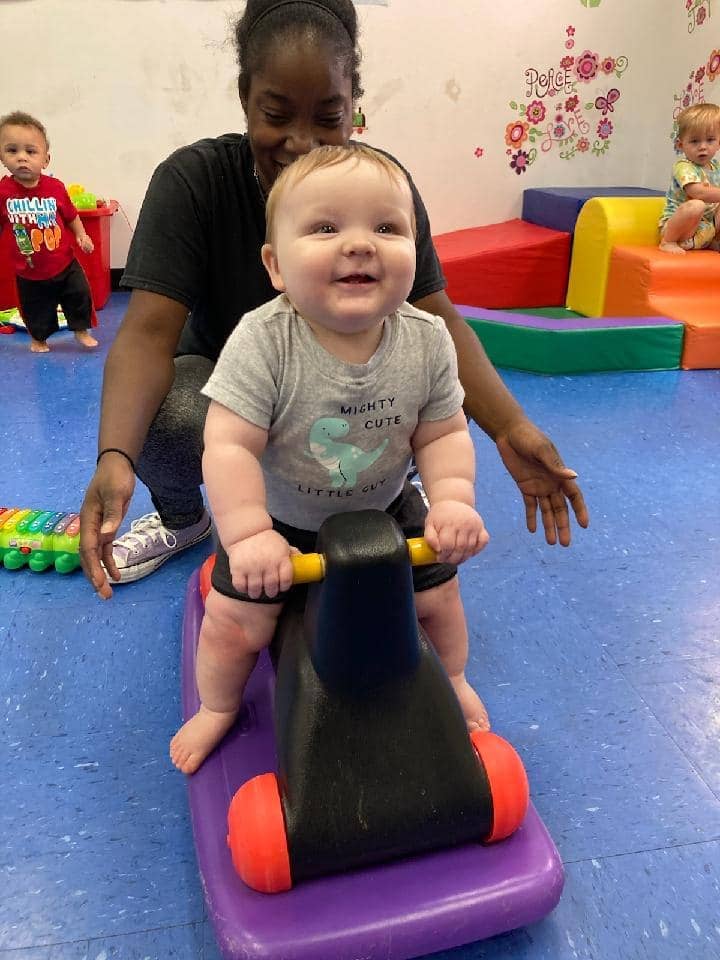
Individualized Learning in a Supportive Environment
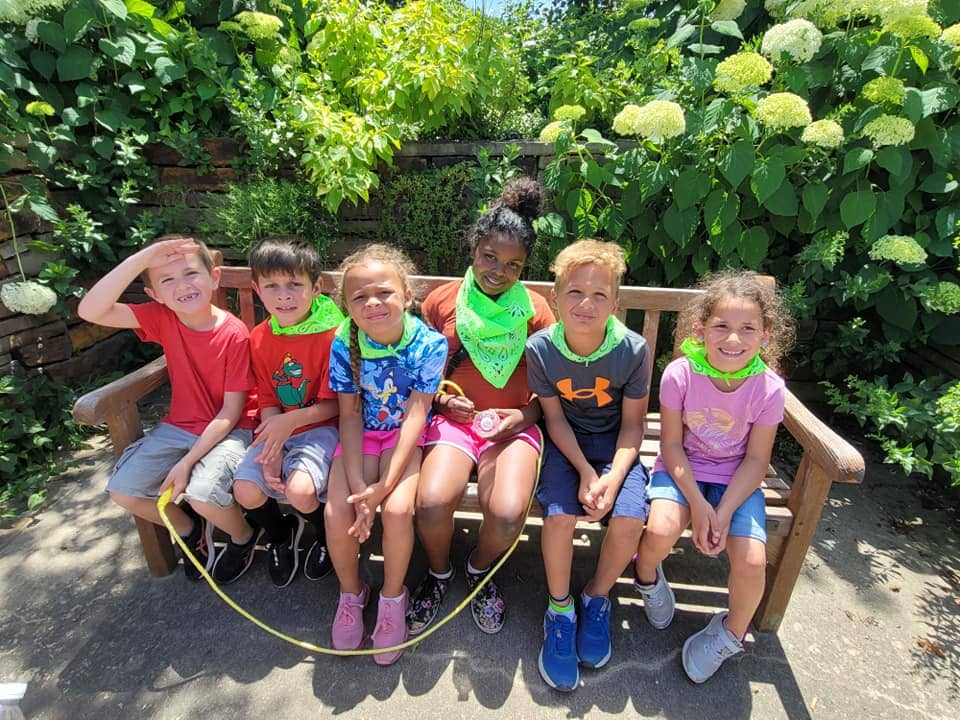
Preparing Children for Kindergarten and Beyond
See Our Curriculum in Action
The best way to understand our approach is to experience it firsthand.